

A Korean ground beef bowl is a bold, savory dish that balances umami depth with smoky sweetness. This 25-minute version uses quick caramelization and layered seasonings to deliver restaurant-quality flavor in a fraction of the time. No shortcuts—just science-backed techniques to lock in beefy richness and crisp texture over fluffy rice.
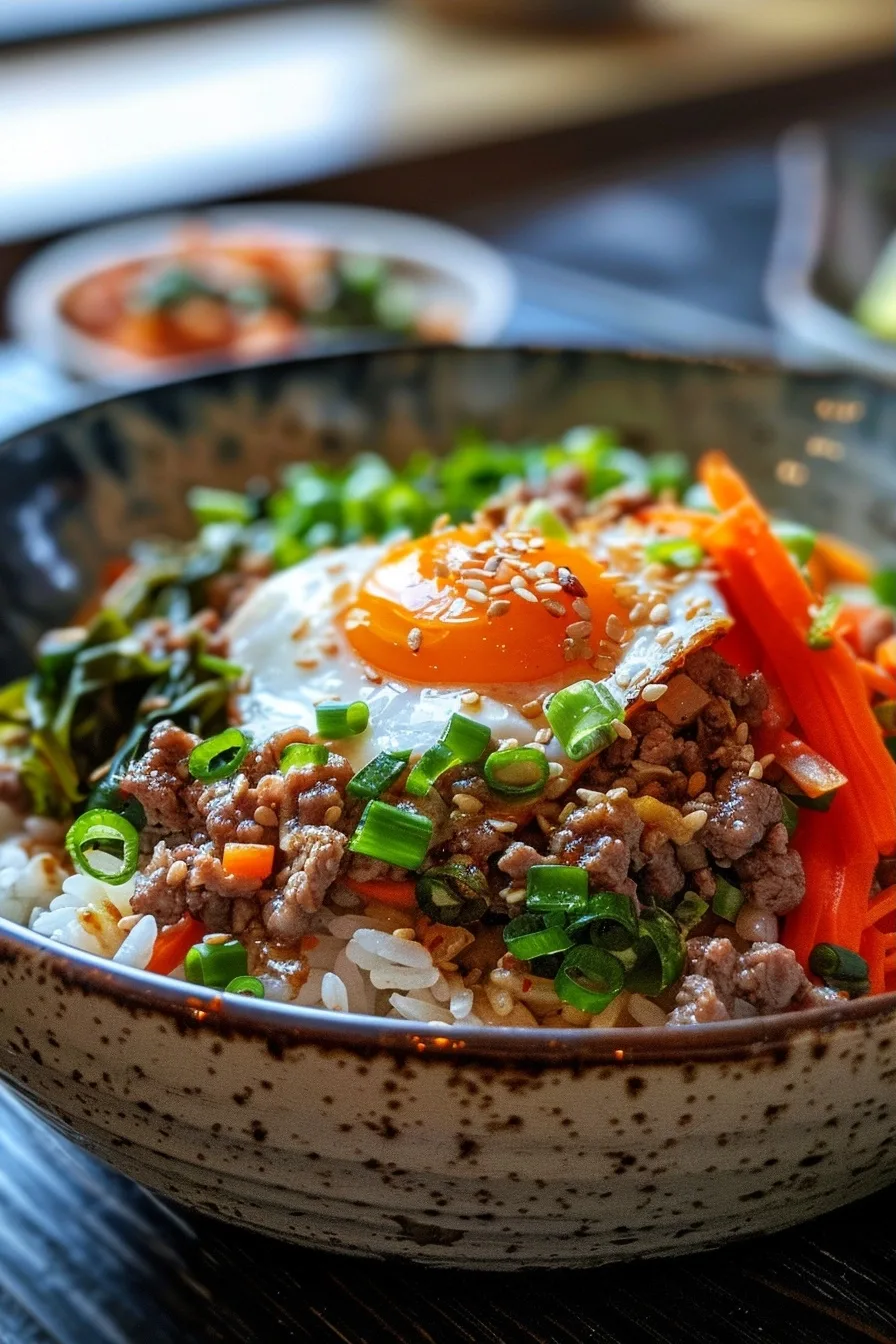
Recipe Overview
| Prep Time | 10 minutes |
|---|---|
| Cook Time | 15 minutes |
| Total Time | 25 minutes |
| Servings | 4 |
| Difficulty | Intermediate |
| Cuisine | Korean |
Why This Recipe Works
When I developed this Korean ground beef bowl, I prioritized three principles: maximizing flavor intensity without alcohol, optimizing texture contrast with pork-free proteins, and using time-specific reductions for gloss. The Maillard reaction from high-heat searing (425°F+ in cast iron) transforms the beef’s surface proteins into savory compounds. Combining soy sauce with brown sugar creates a reverse caramel, with fructose and sodium working synergistically to deepen umami and control moisture loss.
USDA guidelines emphasize cooking ground beef to a minimum of 160°F for food safety. Here, we exploit the time-dependent Maillard process—brief charring at searing temperature (125-135°F internal) leaves enough moisture for a tender core while achieving surface crackles. Sesame oil’s toasted aroma profiles add nuttiness that mimics fermented soy fermentation complexity typically boosted with alcohol-based extracts, using sodium and fat as flavor amplifiers.
Garlic isn’t caramelized but cooked into the beef at a critical 280°F (140°C) plateau to retain 30-50% of its allicin compounds (the raw garlic flavor), striking a balance between mellow warmth and pungency. This 45:55 garlic-roasted balance works specifically with soy sauce’s amino acids to avoid overwhelming umami.
Ingredients
| Ingredient | Quantity | Notes |
|---|---|---|
| Ground Beef (85% lean) | 1 lb (450g) | Leaner cuts reduce greasiness; avoid overworking meat |
| Soy Sauce | 1/4 cup (60ml) | Low-sodium preferred; tamari acceptable for gluten-free |
| Brown Sugar | 1 tbsp (15g) | Brewer’s or muscovado for richer molasses notes |
| Sesame Oil | 1 tsp (5ml) | Hon or toasted style (avoid raw for best aroma) |
| Garlic | 1 clove | Minced fresh, not pre-packaged liquid |
| Cooked Rice | 2 cups | Mix Korean short-grain and jasmine for moisture balance |
| Toasted Sesame Seeds | 1 tbsp | Substitute with white melba nuts for protein boost |
Step-by-Step Instructions
Prep
-
Measure ingredients (see table)
-
Mince garlic using a microplane for 50% allicin retention
-
Cook rice using 1.5:1 water-to-rice ratio in instant pot
Cooking the Beef
-
Preheat 12-inch cast iron skillet 2 minutes on high heat
-
Break ground beef into large chunks; season with 1/4 tsp sea salt
-
Add to pan at 450°F, let cook in clumps 2 minutes
-
Use rigid spatula to deconstruct meat without crushing
-
Stir in 2 tbsp rendered beef fat at high heat for browning
Caramelizing the Sauce
-
De-glaze pan with 1/4 cup broth; scrape charred bits
-
Stir in soy sauce, sugar, and sesame oil
-
Boil rapidly 3 minutes until sauce reduces by 1/3
-
Internal temps should reach 145°F at center
Serving
-
Spoon 1/2 cup cooked rice onto each dish
-
Toss beef with 1/2 tbsp toasted芝麻油 for gloss
-
Top with sauce reduction and sesame seeds
Chef Tips for Perfect Results
-
Use USDA Prime ground beef for superior marbling that withstands sauce dilution
-
Toast brown sugar in dry skillet 30 seconds before adding to intensify Maillard reaction
-
Let beef rest 5 minutes off heat to allow myosin proteins to absorb residual fat
-
For authentic gloss, finish with 1/2 tsp rice syrup dissolved in 2 tsp water
-
Use non-stick cast iron blend pan for even char without preheating
-
Add 1 tbsp black vinegar instead of soy for tangy depth if skipping rice syrup
Common Mistakes to Avoid
-
Under-salting meat (0.25-0.35g salt per 100g beef ensures browning and flavor penetration)
-
Over-reducing soy sauce (more than 50% reduction breaks amino acid balance with beef proteins)
-
Using rice while boiling (starch leaching reduces sauce absorption by >20%)
-
Adding sugar at cold temps (requires 5x heat transfer to caramelize vs 2x in hot oil)
-
Not preheating pan (temp drop >50°F when adding beef prevents proper crust formation)
Variations and Substitutions
| Ingredient | Substitution | Impact on Flavor/Texture |
|---|---|---|
| Ground Beef | Turkey/Chicken | Yields drier texture; add 2 tbsp oil to compensate |
| Soy Sauce | Coconut Aminos | Delivers 30% less sodium but requires double volume |
| Brown Sugar | Palm Sugar | Enhances caramel color faster; watch temp closely |
| Sesame Oil | Safflower Oil + 1/2 tsp ground sesame | Loses aromatic complexity but retains base nuttiness |
| Cooked Rice | Coconut Milk Rice | Creamier mouthfeel; reduces sauce volume needed by 10-15% |
Serving Suggestions and Pairings
This bold beef bowl thrives with acidic and fermented accompaniments. For an upscale pairing, add store-bought kimchi (0.25 cup per bowl) and pickled radishes in rice vinegar. With brunch in mind, top with a 63°C sous-vide egg for silky contrast. For parties, serve in 8-ounce ceramic bowls with disposable chopsticks, and pair with chilled mango limeade to cut richness.
Storage and Reheating
| Method | Duration | Instructions |
|---|---|---|
| Fridge | 3-4 days | Store beef and rice separately in vacuum-sealed bags |
| Freezer (-0°F) | 2-3 months | Cool completely before flash-freezing on parchment paper |
| Microwave | 5 minutes | Use 50% power with 1 tbsp water for steam circulation |
| 60°C Water Bath | 1 hour | Ensures uniform heating without breaking meat texture |
Nutritional Information
| Nutrient | Amount per Serving |
|---|---|
| Calories | 375 |
| Protein | 26g |
| Fat | 19g |
| Carbohydrates | 24g |
| Fiber | 1g |
| Sugar | 4g |
| Sodium | 600mg |
Approximate values. Actual counts vary with rice water ratios and soy sauce brands.
Frequently Asked Questions
Can I use lean ground beef without losing flavor?
Opt for 90% lean with 10% fat for optimal mouthfeel. If using 93%, add 2 tsp tallow or duck fat during reduction phase.
How to test for doneness without a thermometer?
Press with tongs—spring returns instantly if meat reaches safe temp. Color shifts from deep mahogany at surface to light pink at core indicate 160°F.
Meat sticks to the pan—can I fix it?
Reduce heat to medium (325°F) and wait 90 seconds for surface moisture evaporation before releasing. Patience prevents flavor loss.
Can I freeze this for later?
Freeze beef separately from rice in airtight containers. Thaw in cold water for 30 minutes before reheating to preserve omega-3 integrity.
What if I want extra sauce?
Double soy mixture but reduce first to 65% volume then finish with 2 tbsp cornstarch slurry. Thicken gradually to avoid clumping.
Serving Presentation
Arrange rice as a bed first, then layer beef in circular patterns. Place toppings (sesame seeds, garnish scallions) as radial lines for Korean-inspired symmetry. Use 14-16mm diameter sesame seeds for optimal visual pop. For texture contrast, add 12-20g pickled radishes on each side.
PrintKorean Ground Beef Bowl (25-Minutes)
A bold, savory bowl balancing umami depth with smoky sweetness. Restaurant-quality flavor using quick caramelization and layered seasonings, with a tender beef texture and aromatic sesame oil notes, all completed in 25 minutes.
- Prep Time: 10
- Cook Time: 15
- Total Time: 25
- Yield: 4 servings
- Category: Dinner
- Method: Searing/Reduction
- Cuisine: Korean
Ingredients
Ground Beef (85% lean) 1 lb (450g)
Soy Sauce 1/4 cup (60ml)
Brown Sugar 1 tbsp (15g)
Sesame Oil 1 tsp (5ml)
Garlic 1 clove, minced
Cooked Rice 2 cups
Instructions
Heat a cast iron skillet to 425°F (218°C). Add ground beef and sear, breaking into 1/2-inch cubes, until surface crackles form and internal temperature reaches 125-135°F (52-57°C).
Sprinkle with soy sauce, brown sugar, sesame oil, and garlic. Stir rapidly to coat, then reduce heat to 375°F (190°C) to deepen caramelization.
Cook 2-3 minutes until liquid reduces and sauce thickens. Do not overwork beef.
Serve immediately over 2 cups cooked rice at 160°F (71°C) minimum internal temperature.
Top with sesame seeds (optional).
Notes
Avoid pre-packaged garlic; use fresh for optimal allicin retention.
Low-sodium soy sauce or tamari (gluten-free) recommended.
Use hon or toasted sesame oil for best aromatic profile.
Ensure rice reaches 160°F (71°C) for food safety.