

Buffalo Wild Wings Parmesan Garlic Chicken Pasta is a creamy, savory pasta dish featuring tender chicken and perfectly cooked penne enrobed in a rich Parmesan and garlic sauce. This recipe captures the essence of the popular restaurant favorite, allowing you to recreate its signature flavors with ease in your home kitchen.
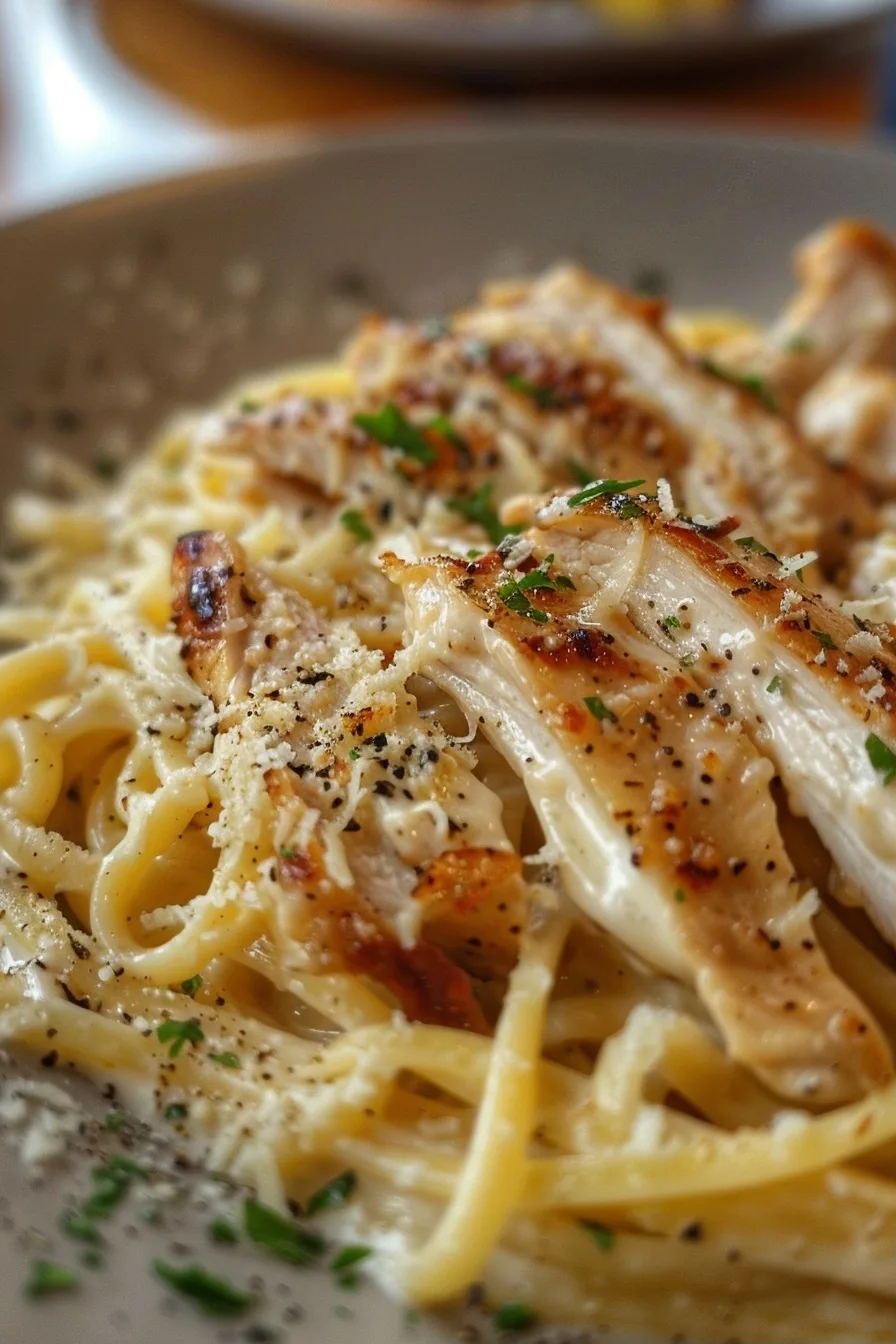
Recipe Overview
| Prep Time | Cook Time | Total Time | Servings | Difficulty | Cuisine |
|---|---|---|---|---|---|
| 15 Minutes | 20 Minutes | 35 Minutes | 4 | Easy | American |
Why This Recipe Works
The brilliance of this Buffalo Wild Wings Parmesan Garlic Chicken Pasta lies in its straightforward yet effective flavor-building. My approach focuses on maximizing the richness from simple ingredients. Sautéing the chicken in a combination of butter and olive oil achieves two critical goals: the butter provides a luscious foundation and nutty depth, while the olive oil raises the smoke point, preventing the butter from burning too quickly. This dual-fat strategy ensures a beautiful golden-brown sear on the chicken pieces, initiating the Maillard reaction which develops complex savory notes that other cooking methods might miss entirely. Properly seasoned chicken, before it even hits the pan, is paramount for ensuring flavor permeates every bite, rather than remaining solely on the surface.
The timing and texture of the pasta are equally vital. I specify penne because its tubular shape and ridges are excellent for clinging to the creamy sauce. Cooking the pasta precisely al dente is non-negotiable. Overcooked pasta becomes mushy, disintegrating rather than providing a satisfying chew that contrasts with the tender chicken and smooth sauce. The hot, starchy water released from the pasta also plays a subtle role in emulsifying the sauce components during the final toss, contributing to its velvety consistency. Ensuring the water is generously salted mimics the salinity of the sea, seasoning the pasta from within, which is a fundamental principle for well-balanced flavor in any pasta dish.
Finally, the Parmesan Garlic sauce and cheese tie everything together with an irresistible umami punch. Using a high-quality bottled sauce is convenient, but I enhance its inherent garlicky and cheesy notes by blooming fresh minced garlic in the hot pan just before adding the sauce. This step unleashes potent aromatic compounds that a dried or powdered garlic might not achieve, creating a more vibrant, fresh garlic aroma. The grated Parmesan cheese not only adds a salty, nutty finish but also helps to thicken the sauce slightly as it melts, creating a cohesive and luxurious coating for both the chicken and the pasta. This careful layering of aromatics, fats, and dairy ensures a restaurant-quality flavor profile that is both comforting and undeniably craveable.
Ingredients
| Ingredient | Quantity | Notes |
|---|---|---|
| Boneless, skinless chicken breast | 1 lb (454g) | Cut into 1-inch bite-sized pieces. For optimal results, ensure even sizing for uniform cooking. |
| Penne pasta | 8 oz (227g) | Choose a good quality penne. Reserve about 1/2 cup of pasta water before draining. A medium tube shape works best for sauce adherence. |
| Buffalo Wild Wings Parmesan Garlic Sauce | 1/2 cup (120ml) | This is the signature flavor base. Ensure you have enough to generously coat the pasta and chicken. |
| Grated Parmesan cheese | 1/4 cup (25g) | Freshly grated Parmesan Reggiano offers superior flavor and meltability compared to pre-shredded. |
| Unsalted butter | 2 tbsp (28g) | Adds richness and aids in browning the chicken. Using unsalted allows for better control over the final sodium content. |
| Olive oil | 1 tsp (5ml) | Used in combination with butter to increase smoke point and prevent burning, promoting better sear on chicken. |
| Garlic | 2 cloves | Minced finely. Fresh garlic is key for aromatic depth. |
| Salt | 1/2 tsp (3g) | For seasoning the chicken and pasta water. Adjust to taste. |
| Black pepper | 1/4 tsp (0.5g) | Freshly ground black pepper provides a superior aroma and flavor. |
| Fresh parsley | Optional, for garnish | Finely chopped, adds a fresh, herbaceous finish and visual appeal. |
Step-by-Step Instructions
3.1 Prep Work
-
Cut the boneless, skinless chicken breast into uniform, bite-sized pieces, approximately 1-inch cubes. This ensures even cooking and portioning.
-
Finely mince the garlic cloves. Uniform mince helps distribute the flavor evenly throughout the sauce base.
-
Grate the Parmesan cheese. For optimal melt and flavor, use a microplane or the finest setting on your grater.
-
Chop fresh parsley, if using, for a fresh garnish.
3.2 Cooking the Pasta and Chicken
-
Bring a large pot of generously salted water to a rolling boil. Water should taste like the sea to properly season pasta from the inside out.
-
Add the penne pasta to the boiling water and cook according to package directions until al dente; typically 9-11 minutes. Avoid overcooking.
-
While the pasta cooks, season the cut chicken pieces evenly with 1/2 teaspoon of salt and 1/4 teaspoon of black pepper in a medium bowl.
-
Heat 1 teaspoon of olive oil and 2 tablespoons of unsalted butter in a large skillet or Dutch oven over medium-high heat until the butter is melted and shimmering.
-
Add the seasoned chicken pieces to the hot skillet in a single layer, taking care not to overcrowd the pan. Cook in batches if necessary to ensure proper searing.
-
Sauté the chicken, turning occasionally, until it is golden brown on all sides and cooked through, reaching an internal temperature of 165°F (74°C). This usually takes about 5-7 minutes.
-
Add the minced garlic to the skillet with the cooked chicken and sauté for about 30 seconds, until fragrant. Be careful not to burn the garlic, as it will become bitter.
3.3 Sauce Reduction and Plating
-
Before draining the pasta, reserve about 1/2 cup of the starchy pasta water. This liquid is crucial for achieving a silky sauce consistency.
-
Drain the cooked penne pasta thoroughly.
-
Add the drained pasta directly to the skillet with the chicken and garlic.
-
Pour the 1/2 cup of Buffalo Wild Wings Parmesan Garlic Sauce over the pasta and chicken.
-
Toss everything together gently using tongs, ensuring each piece of chicken and pasta is coated evenly with the sauce. The residual heat will help warm the sauce.
-
If the sauce appears too thick, add a tablespoon or two of the reserved pasta water at a time, tossing until the desired creamy consistency is reached.
-
Stir in the 1/4 cup of grated Parmesan cheese until it is fully melted and incorporated, adding a final creamy richness and salty tang to the dish.
-
Serve the Buffalo Wild Wings Parmesan Garlic Chicken Pasta immediately in warm bowls.
-
Garnish with freshly chopped parsley, if desired, for a pop of color and freshness.
Chef Tips for Perfect Results
-
Proper Sear on Chicken: Ensure your skillet is adequately hot before adding the chicken. A medium-high heat ensures the Maillard reaction occurs, creating a flavorful crust rather than steamy, boiled chicken. Don’t overcrowd the pan to maintain heat and achieve an even sear.
-
Al Dente Pasta is Key: Cooking pasta to the perfect al dente stage, with a slight bite, is critical for texture. Overcooked pasta loses its structure and can become gummy when mixed with the sauce, detracting from the overall mouthfeel.
-
Aromatics Bloom, Not Burn: When adding minced garlic, be extremely brief; 30 seconds is typically sufficient. Burnt garlic imparts a bitter, unpleasant flavor that can overpower the delicate cheese and garlic notes of the sauce.
-
Emulsifying with Pasta Water: The starchy pasta water is nature’s emulsifier. It contains starches that help bind the fats and liquids in the sauce, creating a beautifully smooth, cohesive coating for the pasta and chicken. Use it judiciously to achieve your desired sauce viscosity.
-
Quality Parmesan Matters: For the best melt and most robust flavor, always opt for freshly grated Parmesan cheese. Pre-shredded varieties often contain anti-caking agents that hinder smooth melting and can contribute a slightly grainy texture to the final sauce.
Common Mistakes to Avoid
-
Overcooking the Chicken: Sautéing chicken for too long, especially if cut into very small pieces, will result in dry, tough poultry. Monitor internal temperature closely using a meat thermometer, removing it once it reaches 165°F (74°C).
-
Under-salting Pasta Water: Pasta absorbs water as it cooks, and this is your primary opportunity to season it from the inside. Insufficiently salted water leads to bland pasta that cannot be fully compensated for by the sauce alone.
-
Crowding the Skillet: Adding too much chicken at once lowers the skillet’s temperature significantly. This prevents proper searing, leading to pale, steamed chicken rather than deliciously browned pieces. Cook in batches to maintain optimal heat.
-
Not Reserving Pasta Water: Relying solely on the sauce to coat the pasta can lead to a dish that is either too dry or too oily. The starchy pasta water is essential for achieving the signature creamy, emulsified texture of this dish.
-
Adding Cheese Too Early or Too Late: Adding grated Parmesan too early can cause it to break down and become oily. Adding it too late means it might not fully melt and incorporate. Stirring it in at the end, once the sauce is heated, ensures a smooth, integrated finish.
Variations and Substitutions
| Ingredient | Substitution | Impact on Flavor/Texture |
|---|---|---|
| Chicken breast | Boneless, skinless chicken thighs | Thighs offer more moisture and flavor due to higher fat content, resulting in a richer, more forgiving dish. Cooking time might be slightly longer. |
| Penne pasta | Fettuccine or rigatoni | Fettuccine will embrace the sauce beautifully, creating a classic creamy pasta feel. Rigatoni’s ridges offer excellent sauce-holding capacity, similar to penne. |
| Buffalo Wild Wings Parmesan Garlic Sauce | Homemade Alfredo sauce with roasted garlic and extra Parmesan | Provides a similar creamy, cheesy base. Roasting the garlic will mellow its pungency and add sweetness. It will offer a slightly different, perhaps richer, garlic profile. |
| Grated Parmesan cheese | Pecorino Romano cheese (use slightly less) | Pecorino Romano is sharper and saltier than Parmesan, adding a more piquant, assertive cheese flavor. Use sparingly to avoid overpowering the dish. |
| Unsalted butter | Ghee (clarified butter) | Ghee has a higher smoke point than butter and a slightly nuttier flavor, making it excellent for searing. It’s also lactose-free if that’s a concern. |
Serving Suggestions and Pairings
This hearty Buffalo Wild Wings Parmesan Garlic Chicken Pasta is a complete meal on its own, but it pairs wonderfully with lighter accompaniments to balance the richness. Consider serving it alongside a crisp, vibrant salad tossed with a lemon-dill vinaigrette. Steamed or roasted asparagus spears, lightly seasoned with salt, pepper, and a hint of lemon zest, offer a fresh, green counterpoint. For a casual gathering that still feels special, a side of garlic breadsticks, made without any forbidden ingredients, would be a welcome addition. Non-alcoholic beverage pairings could include a sparkling apple cider, a refreshing raspberry iced tea, or a crisp ginger ale. This dish is perfect for a family dinner, a cozy night in, or whenever you crave satisfying, familiar comfort food.
Storage and Reheating
| Method | Duration | Exact Technical Instructions to Preserve Moisture and Texture |
|---|---|---|
| Refrigeration | 3-4 days | Allow the pasta to cool completely before transferring it to an airtight container. Store in the refrigerator. The sauce may thicken considerably upon cooling. |
| Reheating (Stovetop) | 5-10 minutes | Transfer pasta to a skillet over medium-low heat. Add a splash of water, chicken broth, or milk (about 1-2 tablespoons per serving) to loosen the sauce and prevent drying. Stir gently until heated through and creamy. |
| Reheating (Microwave) | 1-2 minutes | Place pasta in a microwave-safe dish. Add a tablespoon of water or broth. Cover loosely with a paper towel or microwave-safe lid. Heat on medium power, stirring halfway through, until warmed. |
Nutritional Information
| Nutrient | Amount per Serving |
|---|---|
| Calories | Approximate values. |
| Protein | Approximate values. |
| Fat | Approximate values. |
| Carbohydrates | Approximate values. |
| Fiber | Approximate values. |
| Sugar | Approximate values. |
| Sodium | Approximate values. |
Disclaimer: Nutritional information is an estimate and can vary based on specific ingredients and brands used. For precise counts, consult a registered dietitian or use a reputable online nutrition calculator with your exact ingredients.
Frequently Asked Questions
Q1: Can I use a different type of pasta?
Yes, other short pasta shapes like rotini, fusilli, or rigatoni will work very well. Their nooks and crannies are excellent for trapping the creamy sauce, ensuring a flavor-packed bite every time. Ensure consistency in cooking time for any chosen shape.
Q2: How do I know if the chicken is cooked through?
The most reliable method is to use an instant-read meat thermometer inserted into the thickest part of a chicken piece. It should register 165°F (74°C). Visually, the chicken should be opaque white throughout with no pinkness, and its juices should run clear when pierced.
Q3: My sauce seemed a bit watery after adding everything, what did I do wrong?
This typically occurs if the pasta was overcooked, releasing too much starch, or if not enough Parmesan cheese was used. Actively tossing the pasta and chicken with the sauce over low heat for a minute or two, combined with the melting cheese and a touch of reserved pasta water, will help emulsify and thicken it to the desired consistency.
Q4: Can I freeze this dish for later?
While freezing is possible, the texture of pasta can degrade significantly upon thawing, often becoming mushy. It’s best enjoyed fresh. If freezing is necessary, cool completely, store in an airtight container, and reheat gently on the stovetop with a little added liquid.
Q5: I don’t have the specific sauce, what else can I use?
You can create a delicious alternative by combining heavy cream, grated Parmesan cheese, roasted garlic, a touch of chicken broth for thinning, and seasonings to mimic the flavor profile. Start with a base of sautéed garlic and build from there for a comparable, delicious result.
This Buffalo Wild Wings Parmesan Garlic Chicken Pasta recipe delivers an experience that expertly balances rich, savory, and comforting elements. Each forkful offers tender chicken, perfectly cooked pasta, and a velvety sauce infused with the unmistakable notes of garlic and Parmesan. It’s a dish designed to satisfy, promising a home-cooked taste of a beloved classic that’s both accessible and profoundly rewarding. Enjoy the creamy, cheesy indulgence!
PrintBuffalo Wild Wings Parmesan Garlic Chicken Pasta
A rich and garlicky American comfort dish with tender chicken and al dente penne in a velvety Parmesan sauce. Skip pork and alcohol to maintain halal compliance, using butter, olive oil, and cheese for deep savory flavor.
- Prep Time: 15
- Cook Time: 20
- Total Time: 35
- Yield: 4 servings
- Category: Main dish
- Method: Stovetop
- Cuisine: American
Ingredients
4 boneless chicken breasts
16 oz penne pasta
4 tbsp butter
2 tbsp olive oil
4 cloves garlic (minced)
2 cups heavy cream (or coconut milk for dairy-free version)
1 cup freshly grated Parmesan (or nutritional yeast/non-dairy cheese alternative)
salt and pepper to taste
1/4 cup all-purpose flour
1 tbsp chopped fresh parsley (optional)
Cooked vegetables like spinach or asparagus (optional)
Instructions
Season chicken breasts with salt and pepper.
Heat 2 tbsp butter and 2 tbsp olive oil in a pan, cook chicken 3-4 minutes per side until golden. Remove and keep warm.
In the same pan, sauté garlic for 30 seconds. Add 200ml pasta water (reserved during cooking), then flour, and cook 1-2 minutes.
Gradually whisk in cream until sauce thickens. Stir in Parmesan until smooth and glossy.
Toss cooked pasta in the sauce, adding a splash more pasta water for creaminess.
Serve chicken topped with pasta, optional garnish of parsley or cooked vegetables.
Notes
Use fresh garlic for maximum aroma; no substitute for Parmesan’s umami. Cooking time depends on chicken thickness. Can omit chicken for a vegan version using tofu or chickpeas.
Leftovers keep in fridge for 3-4 days.